From Fixed to Flexible: Mental Shifts that Increase Your Earning Potential
INTRODUCTION
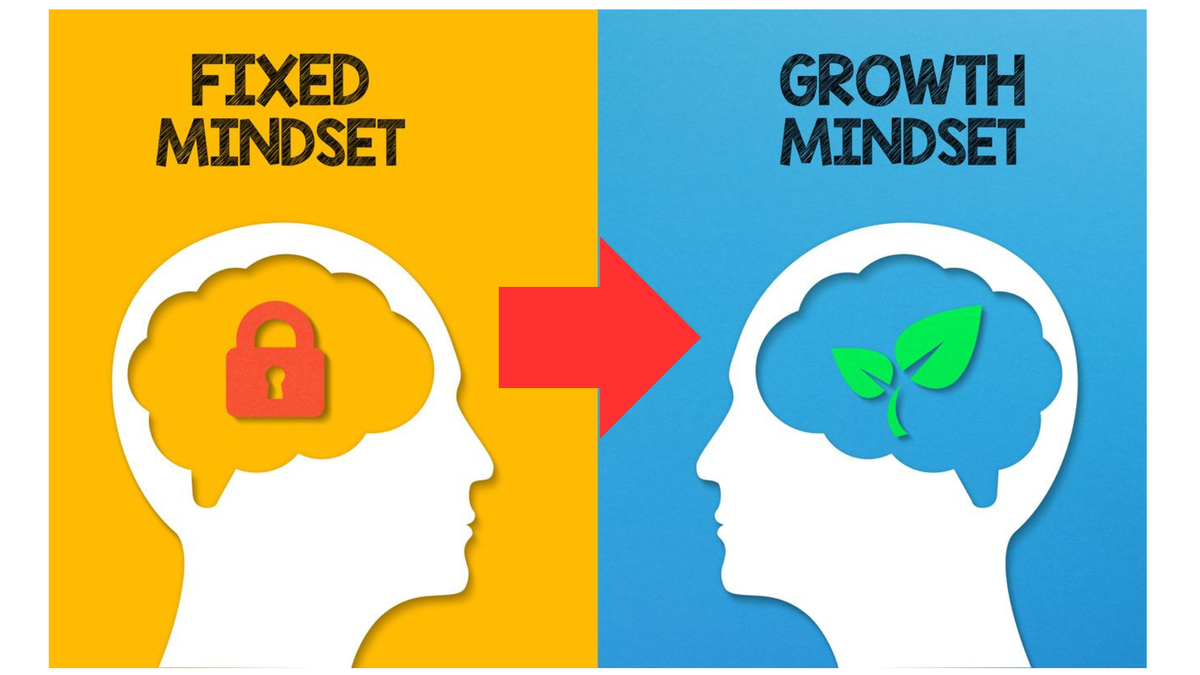
In a world where change is the only constant, rigid thinking is a fast track to falling behind. A flexible mindset isn’t just a soft skill—it’s your secret weapon for thriving under pressure, solving complex problems, and turning challenges into opportunities.
Adapting to Change
In today’s rapidly evolving world, the ability to adapt to change is no longer a mere advantage; it’s a necessity. Flexibility, the capacity to adjust to different situations and perspectives, is a cornerstone of personal and professional success. By cultivating a flexible mindset, individuals can overcome obstacles, innovate, and build stronger relationships.
Understanding a Flexible Mindset
A flexible mindset is more than just being adaptable. It’s about embracing change, approaching challenges with an open mind, and being willing to shift perspectives. People with flexible mindsets are often more resilient, creative, and effective problem solvers. They can navigate ambiguity, pivot strategies, and thrive in dynamic environments.
The Benefits of a Flexible Mindset
A flexible mindset offers a multitude of advantages. Flexible individuals are better equipped to handle setbacks and bounce back from adversity. They can adapt to changing circumstances, find creative solutions to problems, and maintain a positive outlook.
A flexible mindset encourages divergent thinking, allowing individuals to explore new ideas and approaches. This can lead to innovative solutions, breakthrough ideas, and a competitive edge.
By approaching problems from multiple angles, flexible individuals can identify creative solutions and overcome challenges more effectively. They can think critically, analyze information, and make informed decisions.
Flexibility promotes empathy, understanding, and effective communication. By being open to different perspectives, flexible individuals can build stronger relationships with colleagues, clients, and loved ones. A flexible mindset is highly valued by employers, as it allows individuals to adapt to changing job requirements, work effectively in diverse teams, and embrace new challenges.
Cultivating a Flexible Mindset
While flexibility is a skill that can be developed, it requires conscious effort and practice. Mindfulness meditation can help you become more present and aware of your thoughts and feelings. By practicing mindfulness, you can develop a greater sense of self-awareness, emotional regulation, and a more open and receptive mindset. Role-playing can help you practice responding to different situations and perspectives. By stepping into someone else’s shoes, you can develop empathy, understanding, and the ability to see things from a different viewpoint. Question your beliefs and assumptions.
By challenging your own thinking, you can open yourself up to new ideas and perspectives, and avoid rigid thinking patterns. View failures as opportunities for growth and learning. By embracing mistakes, you can develop resilience, a willingness to take risks, and a more open mindset. Pay attention to what others are saying and try to understand their perspective. Active listening can help you build stronger relationships, resolve conflicts more effectively, and gain valuable insights.

Conclusion: Flexibility Is Your Superpower
In a world where change is constant and challenges are inevitable, a flexible mindset is not just an asset—it’s your competitive edge. It empowers you to stay calm under pressure, think creatively, adapt quickly, and lead with confidence. Whether you're navigating career shifts, managing team dynamics, or simply trying to thrive in uncertain times, your ability to bend without breaking is what will set you apart.
So, ask yourself: Are you clinging to comfort or evolving with purpose?
Start small. Stay open. Flex often.
Your success doesn’t lie in being the strongest or the smartest—but in being the most adaptable.